Buy remove-account.com ?
We are moving the project
remove-account.com .
Are you interested in purchasing the domain
remove-account.com ?
domain@kv-gmbh.de · 0541-91531010
Buy remove-account.com ?
What is the difference between splicing and alternative splicing?
Splicing is the process by which introns are removed from pre-mRNA to produce mature mRNA. Alternative splicing is a specific type of splicing where different combinations of exons can be included or excluded from the final mRNA transcript, leading to the production of multiple protein isoforms from a single gene. In other words, splicing is the general process of removing introns, while alternative splicing refers to the specific mechanism that allows for different combinations of exons to be included in the final mRNA transcript. **
What is the function of alternative splicing?
Alternative splicing is a process in which different combinations of exons within a gene are spliced together to produce multiple mRNA transcripts from a single gene. This process allows for the production of different protein isoforms with varying functions from a single gene. Alternative splicing plays a crucial role in increasing the diversity of proteins that can be produced from a limited number of genes, thereby contributing to the complexity and diversity of biological functions in organisms. **
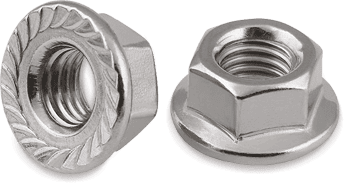

Similar search terms for Lever-Nut-Compact-Splicing
Top-Angebote
Products related to Lever-Nut-Compact-Splicing:
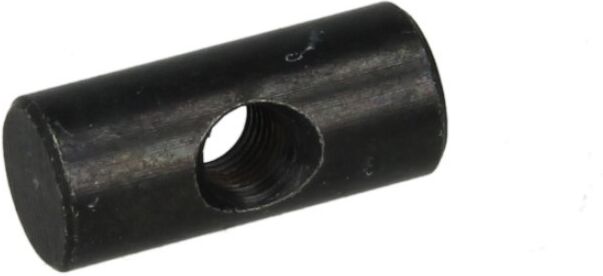

-
How can one remove a rounded nut?
To remove a rounded nut, you can try using a pair of locking pliers or vice grips to grip onto the nut firmly and turn it counterclockwise. Another method is to use a nut splitter tool to cut through the nut and then remove it. If the nut is severely rounded, you may need to use a drill to create a small hole in the center of the nut and then use a screw extractor to remove it. It's important to use the appropriate tools and techniques to avoid damaging the surrounding area. **
-
'How do I remove this eccentric nut?'
To remove an eccentric nut, first loosen the bolt or screw that is holding it in place. Once the bolt is loosened, the eccentric nut should be able to be turned and removed from its position. If the nut is stuck, you may need to use a wrench or pliers to help loosen it. Be careful not to damage the nut or the surrounding components while removing it. **
-
How do I remove this square nut?
To remove a square nut, you will need a wrench or a pair of pliers that fits the size of the nut. Place the wrench or pliers securely around the nut and turn it counterclockwise to loosen it. If the nut is stuck, you can try applying some penetrating oil to help loosen it. Once the nut is loose, continue turning it counterclockwise until it is completely removed. **
-
How do I remove a knurled axle nut?
To remove a knurled axle nut, you will need a wrench or socket that fits the nut size. Place the wrench or socket on the nut and turn it counterclockwise to loosen it. If the nut is stuck, you can use a penetrating oil to help loosen it. Once the nut is loose, continue turning it until it comes off completely. **


How do you remove a very small nut?
To remove a very small nut, you can use a pair of needle-nose pliers or tweezers to carefully grip the nut and twist it off. If the nut is stuck, you can try using a small amount of penetrating oil to help loosen it. Another option is to use a small screwdriver or awl to carefully tap the nut in a counterclockwise direction to loosen it. Be sure to work slowly and carefully to avoid damaging the nut or the surrounding area. **
What is the difference between exon shuffling and alternative splicing?
Exon shuffling involves the rearrangement of exons from different genes to create new gene sequences, resulting in the generation of novel proteins with new functions. On the other hand, alternative splicing is a process where different combinations of exons within a single gene are spliced together to produce multiple mRNA transcripts and protein isoforms from the same gene. While exon shuffling involves the mixing of exons from different genes, alternative splicing occurs within a single gene to produce different protein variants. **
Top-Angebote
Products related to Lever-Nut-Compact-Splicing:
-
What is the difference between splicing and alternative splicing?
Splicing is the process by which introns are removed from pre-mRNA to produce mature mRNA. Alternative splicing is a specific type of splicing where different combinations of exons can be included or excluded from the final mRNA transcript, leading to the production of multiple protein isoforms from a single gene. In other words, splicing is the general process of removing introns, while alternative splicing refers to the specific mechanism that allows for different combinations of exons to be included in the final mRNA transcript. **
-
What is the function of alternative splicing?
Alternative splicing is a process in which different combinations of exons within a gene are spliced together to produce multiple mRNA transcripts from a single gene. This process allows for the production of different protein isoforms with varying functions from a single gene. Alternative splicing plays a crucial role in increasing the diversity of proteins that can be produced from a limited number of genes, thereby contributing to the complexity and diversity of biological functions in organisms. **
-
How can one remove a rounded nut?
To remove a rounded nut, you can try using a pair of locking pliers or vice grips to grip onto the nut firmly and turn it counterclockwise. Another method is to use a nut splitter tool to cut through the nut and then remove it. If the nut is severely rounded, you may need to use a drill to create a small hole in the center of the nut and then use a screw extractor to remove it. It's important to use the appropriate tools and techniques to avoid damaging the surrounding area. **
-
'How do I remove this eccentric nut?'
To remove an eccentric nut, first loosen the bolt or screw that is holding it in place. Once the bolt is loosened, the eccentric nut should be able to be turned and removed from its position. If the nut is stuck, you may need to use a wrench or pliers to help loosen it. Be careful not to damage the nut or the surrounding components while removing it. **
Similar search terms for Lever-Nut-Compact-Splicing
-
A.B.S. 911270 NutThread Size: M20x1.5; Thread Type: with right-hand thread; Height: 35; Spanner Size: 36; Fitting Position: Front Axle, Front Axle Left, Front Axle Right; Vehicle Identification Number (VIN) to: 121428; Construction Year to: 12/1995; for model code: 875; Vehicle type: V70, V70 XC5,99 £*Shipping: 8,45 £Secure redirect to the provider
-
How do I remove this square nut?
To remove a square nut, you will need a wrench or a pair of pliers that fits the size of the nut. Place the wrench or pliers securely around the nut and turn it counterclockwise to loosen it. If the nut is stuck, you can try applying some penetrating oil to help loosen it. Once the nut is loose, continue turning it counterclockwise until it is completely removed. **
-
How do I remove a knurled axle nut?
To remove a knurled axle nut, you will need a wrench or socket that fits the nut size. Place the wrench or socket on the nut and turn it counterclockwise to loosen it. If the nut is stuck, you can use a penetrating oil to help loosen it. Once the nut is loose, continue turning it until it comes off completely. **
-
How do you remove a very small nut?
To remove a very small nut, you can use a pair of needle-nose pliers or tweezers to carefully grip the nut and twist it off. If the nut is stuck, you can try using a small amount of penetrating oil to help loosen it. Another option is to use a small screwdriver or awl to carefully tap the nut in a counterclockwise direction to loosen it. Be sure to work slowly and carefully to avoid damaging the nut or the surrounding area. **
-
What is the difference between exon shuffling and alternative splicing?
Exon shuffling involves the rearrangement of exons from different genes to create new gene sequences, resulting in the generation of novel proteins with new functions. On the other hand, alternative splicing is a process where different combinations of exons within a single gene are spliced together to produce multiple mRNA transcripts and protein isoforms from the same gene. While exon shuffling involves the mixing of exons from different genes, alternative splicing occurs within a single gene to produce different protein variants. **
* All prices are inclusive of VAT and, if applicable, plus shipping costs. The offer information is based on the details provided by the respective shop and is updated through automated processes. Real-time updates do not occur, so deviations can occur in individual cases. ** Note: Parts of this content were created by AI.